How Does AI Computer Vision Improve Workplace Safety?

📖 6 minutes read

🗓️ 20/07/26

👤 Tapway

AI Workplace Safety

AI workplace safety uses computer vision to monitor workers, detect hazards, and enforce PPE compliance in real time — reducing injuries by up to 85%. Unlike manual inspections, AI-powered systems analyze video feeds 24/7, instantly flagging unsafe behavior and generating automated compliance reports without human intervention.

How AI Workplace Safety Works

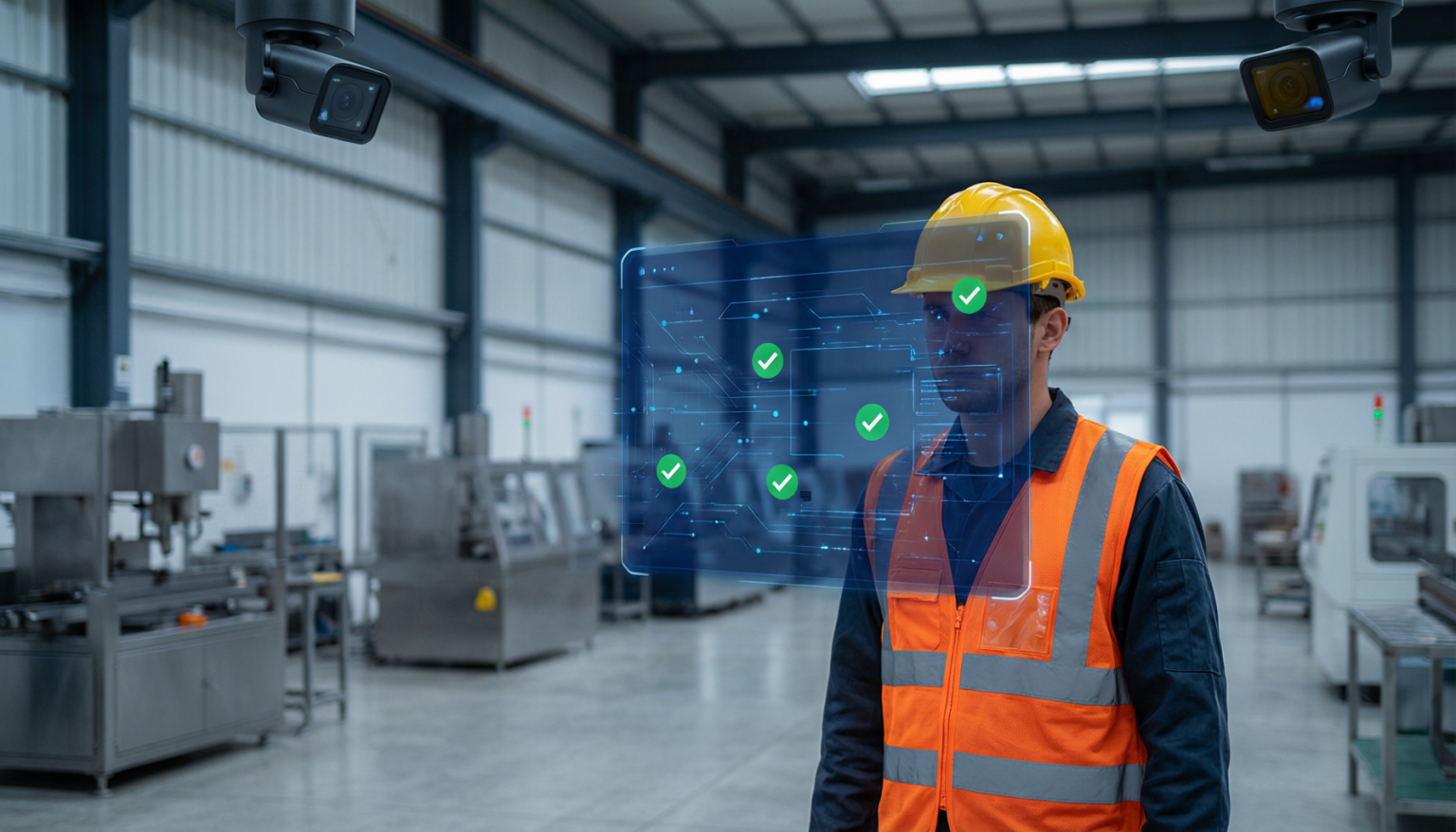
AI-powered safety systems combine computer vision, deep learning models, and edge computing to transform standard CCTV cameras into intelligent safety monitors. The process begins with video ingestion from existing camera infrastructure — no new hardware required in most cases. AI models trained on thousands of safety scenarios analyze each frame for PPE compliance (helmets, vests, goggles), unsafe behaviors (running, improper lifting), and environmental hazards (spills, blocked exits). When a violation is detected, the system triggers instant alerts via mobile apps, SMS, or dashboard notifications, while logging every incident for compliance reporting. This continuous, automated approach eliminates the blind spots of periodic human walkthroughs. Explore more AI safety insights on our blog.

Step 1 — Real-Time Video Capture

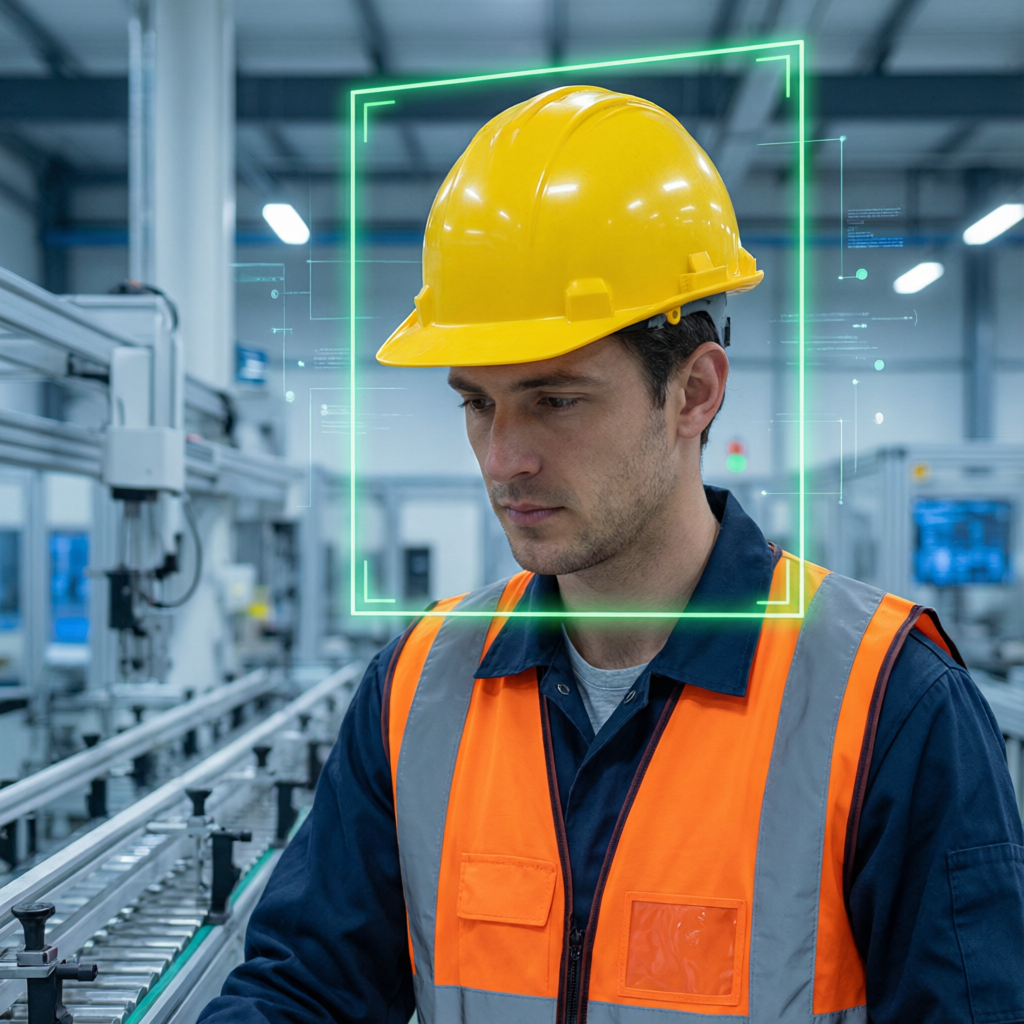
AI workplace safety PPE detection in manufacturing

Existing CCTV cameras or dedicated AI cameras stream live video to an edge device or cloud server. The system processes 30+ frames per second, analyzing every worker and zone in the camera’s field of view simultaneously.
Step 2 — AI Model Detection & Classification

Deep learning models trained on PPE detection, posture analysis, and hazard recognition classify each frame. The AI identifies whether workers are wearing required safety gear, following proper procedures, and operating in safe zones — all in milliseconds.

Step 3 — Instant Alerts & Automated Reporting

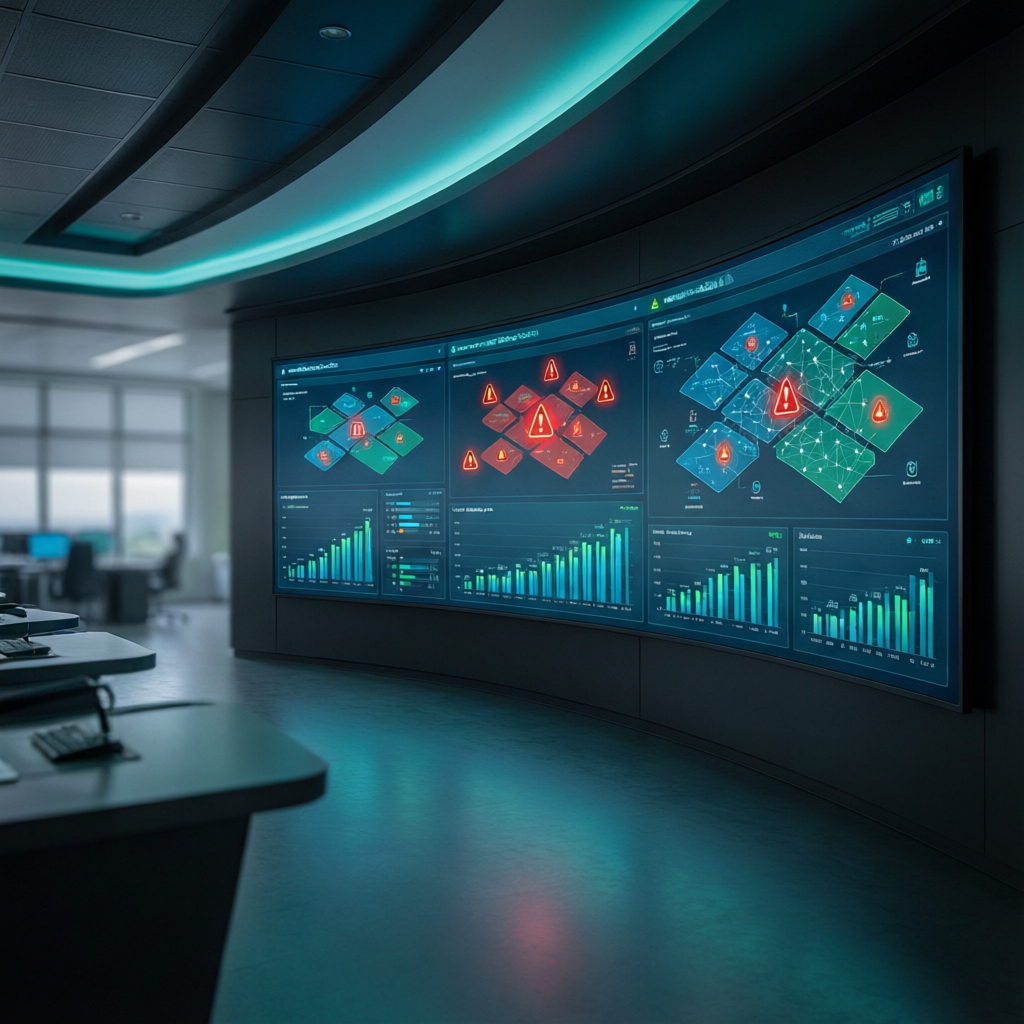
When a violation is detected, the system sends real-time alerts to supervisors via mobile push, SMS, or dashboard pop-ups. Every incident is logged with timestamp, location, and photo evidence — generating compliance reports automatically for audits and regulatory submissions.

AI Workplace Safety: Key Data Points

85% injury reduction — AI vision systems can cut workplace injuries by up to 85% through real-time hazard detection (Viso.ai, 2025). 2.78 million annual deaths — workplace fatalities remain a global crisis, underscoring the urgent need for automated safety solutions (ILO, 2024). $170 billion annual cost — workplace injuries cost U.S. businesses $170B per year in medical expenses and productivity losses (OSHA, 2024). 25% fewer violations — companies using AI PPE detection report a 25% average drop in safety violations within 90 days (ScienceDirect, 2025).

Real-World Examples

AI workplace safety analytics dashboard

Manufacturing — Southeast Asia: A Malaysian electronics factory deployed AI safety cameras across 40 production lines. Within 3 months, PPE compliance reached 98% (up from 72%), and recordable incidents dropped by 60%. The system caught 200+ near-miss events that human inspectors had missed entirely. Learn more about Tapway’s manufacturing solutions.

Construction — Middle East: A large infrastructure project used AI vision to monitor 500+ workers across multiple sites. Hard hat compliance hit 99.5%, and the system flagged 1,200+ unsafe behaviors in the first month — enabling targeted safety training that reduced incidents by 45%.

Warehouse — Europe: A logistics company integrated AI safety monitoring with their existing camera network. The system detected forklift-pedestrian near-misses in real time, reducing close calls by 70% and cutting manual safety audit time by 80%.

Traditional vs. AI-Powered Safety

FeatureTraditional ApproachAI-Powered Approach
MonitoringPeriodic walkthroughs24/7 continuous
PPE ComplianceManual spot checksReal-time detection
Response TimeMinutes to hoursInstant (<1 second)
ReportingManual logbooksAutomated dashboards
CoverageLimited to patrol routeAll cameras, all zones

AI Workplace Safety FAQ

    1. Q: How accurate is AI PPE detection?
      A: Modern AI safety models achieve 95–99% accuracy in detecting helmets, vests, and goggles, even in low-light or crowded environments.
    2. Q: Does AI replace human safety officers?
      A: No — AI augments safety teams by handling continuous monitoring and data collection, freeing officers to focus on training, investigation, and prevention strategy.
    3. Q: What industries benefit most?
      A: Manufacturing, construction, oil & gas, logistics, and mining see the highest ROI due to high-risk environments and large workforces that are difficult to monitor manually.

The Bottom Line

AI workplace safety is no longer optional — it’s a competitive advantage. With computer vision reducing injuries by up to 85% and automating compliance reporting, organizations can protect workers while cutting costs. Ready to see how it can transform your operations? Request a demo now →